
The world of interactive entertainment stands on the brink of a sensory revolution that moves far beyond simple visual and auditory stimulation. For many decades, gamers relied solely on the flickering lights of a screen and the stereo sound of speakers to feel connected to their favorite digital universes.
This traditional model of gaming often created a “glass wall” effect where the player remained a mere observer of the action rather than a physical participant in the story.
However, the emergence of advanced haptic feedback systems and wearable tactile technology now offers a revolutionary way to touch and feel virtual environments with startling realism.
This transition represents a monumental shift from basic vibration motors to sophisticated force-feedback actuators that can mimic the weight of a sword or the texture of digital rain.
We are entering an era where biological sensory integration and high-fidelity haptic ecosystems serve as the primary foundations for the ultimate immersive experience.
This innovation addresses the critical challenge of the “immersion gap” by providing the physical sensations that the human brain needs to achieve true presence in a virtual world.
By mastering the latest haptic gear trends, you can transform your gaming setup into a full-body sensory laboratory that blurs the line between reality and simulation.





This article explores the most effective and proven advancements in tactile technology while optimizing your understanding of how haptic gear is changing the future of play.
Understanding the Mechanics of High-Fidelity Haptics
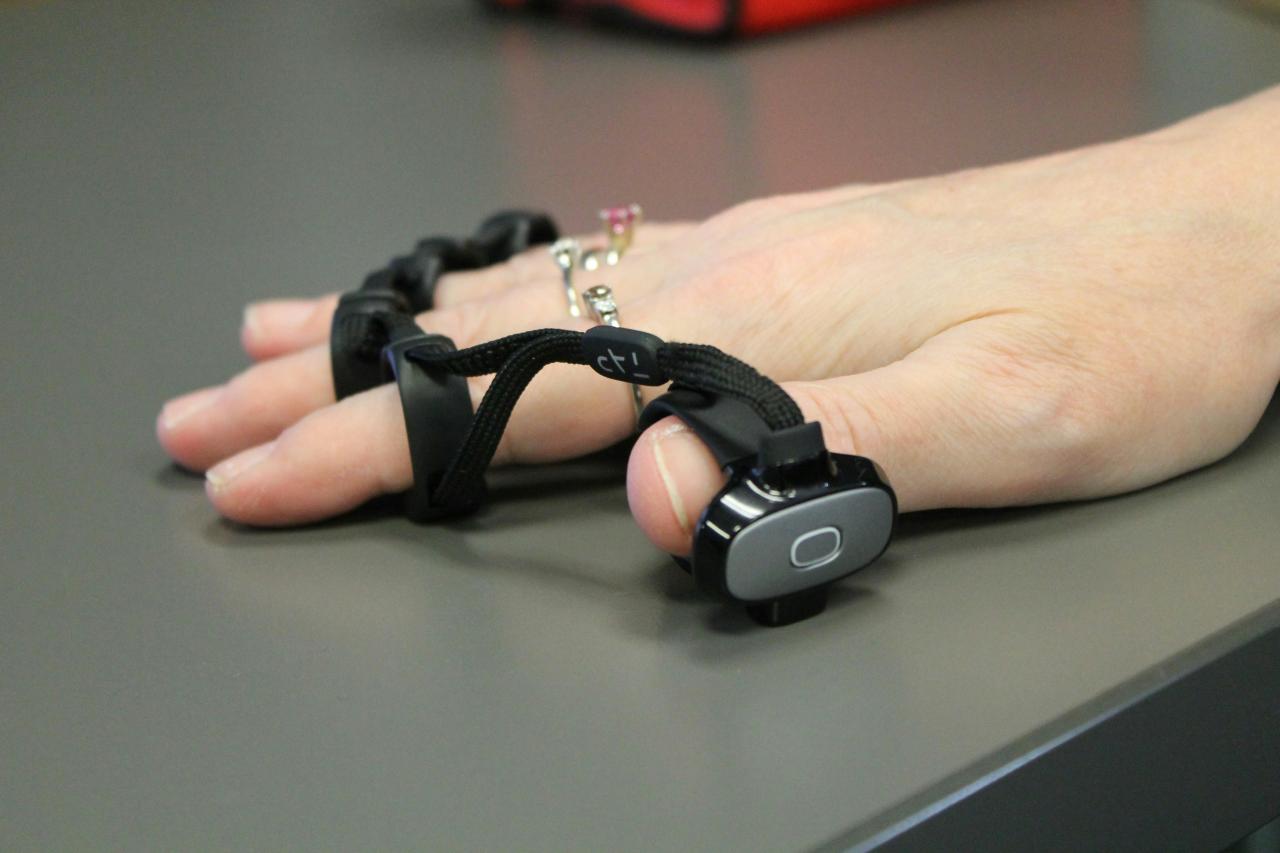
Modern haptic gear uses a combination of Voice Coil Actuators (VCA) and Linear Resonant Actuators (LRA) to produce a wide range of frequencies and intensities. Unlike the old “rumble” packs that just shook your hands, these new systems can produce subtle pulses that feel like a heartbeat or sharp jolts that mimic an explosion.
I believe that “tactile resolution” is the best way to solve the problem of sensory monotony that makes many modern games feel predictable and flat.
You solve the problem of physical disconnect by using gear that communicates specific textures and resistances directly to your skin and muscles. This perspective turns your nervous system into a high-speed data port that receives environmental information from the game engine in real time.
A. Voice Coil Actuators (VCA)
These actuators function much like high-end audio speakers, allowing for extremely precise and nuanced vibrations that can mimic complex textures. They allow you to feel the difference between walking on gravel, splashing through water, or sliding across smooth ice.
B. Linear Resonant Actuators (LRA)
LRA technology provides a more focused and energy-efficient vibration that is perfect for smaller wearable devices like rings or wristbands. They provide quick, snappy feedback that is ideal for UI interactions or indicating the direction of incoming enemy fire.
C. Piezoelectric Haptic Sensors
These ultra-thin sensors can be embedded directly into the fabric of gaming gloves or suits to provide high-definition touch sensations. They offer the fastest response times in the industry, ensuring that you feel the impact at the exact millisecond it happens on the screen.
The Rise of Full-Body Haptic Suits
Full-body haptic suits represent the pinnacle of gaming immersion by covering the player in dozens of vibration points from the chest down to the shins. These suits translate digital physics into physical sensations, allowing you to feel the recoil of a weapon or the wind rushing past you during a high-speed chase.
My new perspective is that “proprioceptive mapping” is the secret to solving the problem of motion sickness and disorientation in virtual reality environments.
You solve the problem of the “floating head” sensation by giving your body a physical anchor that matches what your eyes see in the headset. This perspective allows your brain to fully commit to the simulation, leading to longer and more comfortable gaming sessions.
A. Multi-Zone Feedback Points
High-end haptic suits feature thirty or more independent feedback zones that can fire individually or in sequences to simulate movement across the body. If an enemy slashes you from the left, you feel the sensation travel accurately across your torso from left to right.
B. Integrated Heart Rate and Biometric Sensors
Many modern suits monitor your physical state and adjust the haptic intensity to match your current stress levels or excitement. This creates a dynamic feedback loop where the game reacts to your body just as much as you react to the game.
C. Wireless Low-Latency Connectivity
To maintain total immersion, these suits use dedicated high-speed wireless protocols that eliminate the need for cumbersome cables. This freedom of movement is essential for room-scale VR where you need to duck, weave, and turn without getting tangled.
Haptic Gloves and the Power of Fine Motor Touch
While suits provide the “big” sensations, haptic gloves focus on the delicate interactions of the hands and fingers, which are the primary tools we use to interact with the world. Advanced gloves use micro-cables or pneumatic bladders to provide force feedback, preventing your fingers from closing when you “grab” a virtual object.
I suggest that “digital tangibility” is the ultimate tool for solving the problem of clumsy and unintuitive VR controls that rely on button presses.
You solve the problem of abstract interaction by allowing your hands to function naturally, grasping, pulling, and feeling the weight of digital items. This perspective transforms the virtual world into a tangible playground where your natural muscle memory becomes your greatest competitive advantage.
A. Exoskeleton Force Feedback
Mechanical structures on the back of the glove apply tension to your fingers to simulate the size and hardness of a virtual object. This allows you to feel the roundness of a ball or the trigger pull of a futuristic pulse rifle with incredible accuracy.
B. Vibratory Fingertip Textures
Small actuators at each fingertip simulate the “feel” of different surfaces, such as the roughness of stone or the stickiness of a spiderweb. This level of detail adds a profound layer of realism to exploration games and puzzle-solving mechanics.
C. Sub-Millimeter Motion Tracking
Haptic gloves also act as high-precision input devices, tracking the movement of every joint in your hand with zero lag. This ensures that your virtual hands mirror your real movements perfectly, which is vital for complex tasks like reloading a weapon or playing a virtual instrument.
Peripheral Innovations: Beyond the Controller
Immersion gear is moving beyond what we wear to include the furniture we sit on and the floor we stand on during our gaming sessions. Haptic gaming chairs and floor mats use large-scale transducers to shake your entire skeleton, providing a “theatrical” level of feedback for explosions and engine roars.
My new perspective is that “environmental resonance” is the secret to solving the problem of isolated immersion where only your hands or head feel the game.
You solve the problem of shallow feedback by turning your entire gaming room into a resonant chamber that vibrates in sync with the digital action. This perspective creates a “4D cinema” experience in your own home, making every race and every battle feel like a life-changing event.
A. Haptic Transducer Gaming Chairs
These chairs replace standard foam with integrated bass shakers that translate low-frequency sounds into physical vibrations you can feel in your spine. This is particularly effective in flight simulators and racing games where the constant hum of the engine is a key part of the experience.
B. Omni-Directional Haptic Floor Mats
Standing on a haptic mat allows you to feel the footsteps of nearby players or the rumble of distant thunder through the soles of your feet. This adds a subtle but powerful layer of spatial awareness that helps you locate enemies by feel before you even see them.
C. Peripheral Force Feedback Joysticks
Flight sticks and steering wheels have used force feedback for years, but new “active” systems use magnetic motors to provide much more realistic resistance. These systems can simulate the “stiffness” of a plane’s controls at high speeds or the “slip” of tires on a wet racetrack.
The Impact of Haptics on Competitive Gaming
In the world of high-stakes esports, information is everything, and haptic gear provides a new “data channel” that can give players a massive competitive edge. Haptic feedback can signal when a cooldown is ready, when health is low, or exactly where an off-screen sound originated without cluttering the visual UI.
I believe that “sensory offloading” is the best way to solve the problem of visual overload and “HUD fatigue” in complex modern games.
You solve the problem of missed information by letting your skin “read” the game state while your eyes stay focused on the enemy. This perspective turns haptic gear from a luxury immersion tool into a necessary piece of tactical equipment for serious players.
A. Directional Damage Indicators
Haptic suits and headbands can pulse in the specific direction from which you are taking damage, allowing for faster reaction times than traditional on-screen arrows. This spatial intuition feels more natural and allows you to turn and face threats instinctively.
B. Tactile Cooldown Notifications
A subtle vibration in your wrist or palm can signal that your “ultimate” ability is ready to fire, removing the need to glance down at a small icon in the corner of the screen. This keeps your focus on the center of the action during intense team fights.
C. Subtle Stealth Cues
In stealth games, haptics can signal when you are visible or when an enemy is about to round a corner nearby. This “sixth sense” adds a tense and rewarding layer to the gameplay that relies on your physical intuition rather than just your eyes.
Psychology and the Science of Immersion
When we feel a digital world, our brain’s “presence” response increases significantly, making the experiences feel like real memories rather than just images we watched. This psychological shift happens because the brain prioritizes tactile information as a primary confirmation of reality.
I suggest that “neural presence” is the ultimate tool for solving the problem of emotional detachment and boredom in single-player campaigns.
You solve the problem of the “uncanny valley” by bridging the gap between what you see and what you feel, making digital characters feel like they are truly in the room with you. This perspective elevates gaming from a hobby into a form of digital tourism that can have a profound impact on your emotional well-being.
A. Enhanced Emotional Resonance
Feeling the gentle “thump-thump” of a character’s heartbeat during a dramatic story moment can trigger a much stronger empathetic response than just watching a cutscene. This connection makes the story more memorable and impactful long after you turn off the console.
B. Reduction of the “Cyber-Sickness” Effect
When your physical body receives feedback that matches your visual movement, your inner ear is less likely to become confused and cause nausea. This makes high-speed VR games accessible to a much wider audience who previously struggled with motion sickness.
C. Memory Retention and Skill Acquisition
The brain remembers “felt” experiences much more vividly than “seen” ones, which helps in learning complex game mechanics and mastering difficult levels. This is why haptic gear is also becoming a staple in professional flight and surgical training simulations.
Accessibility and Haptics for All Players
Haptic technology is a game-changer for players with visual or hearing impairments, as it provides an alternative way to receive vital game information. By translating sound and light into touch, haptic gear ensures that everyone can enjoy the thrill of a high-octane gaming experience.
I believe that “sensory substitution” is the best way to solve the problem of digital exclusion for the disabled community. You solve the problem of a “quiet” world for deaf players by letting them feel the rhythm and intensity of the game’s music and sound effects through their skin.
This perspective highlights the ethical importance of haptic innovation as a tool for creating a more inclusive and diverse gaming culture.
A. Audio-to-Haptic Translation
Specialized software can convert game audio into tactile vibrations in real time, allowing deaf players to “hear” the roar of a crowd or the hum of a lightsaber. This ensures that no player is left behind due to physical limitations.
B. Haptic Navigation for the Blind
Vibrating cues in a controller or suit can guide visually impaired players through a game world by signaling when they are near walls or approaching objectives. This opens up massive open-world games to a completely new audience of passionate gamers.
C. Customizable Sensitivity Profiles
Modern haptic gear allows players to adjust the intensity and frequency of the feedback to suit their specific sensory needs. This flexibility is essential for players with sensory processing disorders who may find standard settings overwhelming.
The Future: Neural Links and Direct Brain Interfaces
The ultimate goal of haptic technology is to bypass the skin entirely and send tactile signals directly to the brain’s somatosensory cortex. While this sounds like science fiction, early research into Brain-Computer Interfaces (BCI) suggests that we are closer to “direct-to-brain” immersion than many realize.
My new perspective is that “cortical stimulation” is the secret to solving the problem of bulky, hot, and expensive wearable gear. You solve the problem of physical hardware by eventually replacing the suit with a simple neural link that provides perfect, high-definition sensations.
This perspective looks forward to a future where the “Matrix” style of immersion becomes a safe and common reality for billions of people.
A. Non-Invasive Neural Headsets
Early versions of these headsets use high-density EEG sensors to read brain intent and send subtle electromagnetic pulses to stimulate specific areas of the brain. This can create a sense of balance or a general feeling of temperature without any external heat or cold.
B. Biological Feedback Synchronization
Future systems will synchronize the game’s frame rate with the user’s neural oscillations, creating a state of “flow” that is virtually indistinguishable from reality. This would represent the absolute peak of human-machine integration.
C. The End of Physical Controllers
In a direct neural interface world, you would control your character by simply thinking about moving your arms or legs. The “haptic” feedback would come in the form of your brain believing it has actually performed those movements, providing the most realistic experience possible.
Conclusion
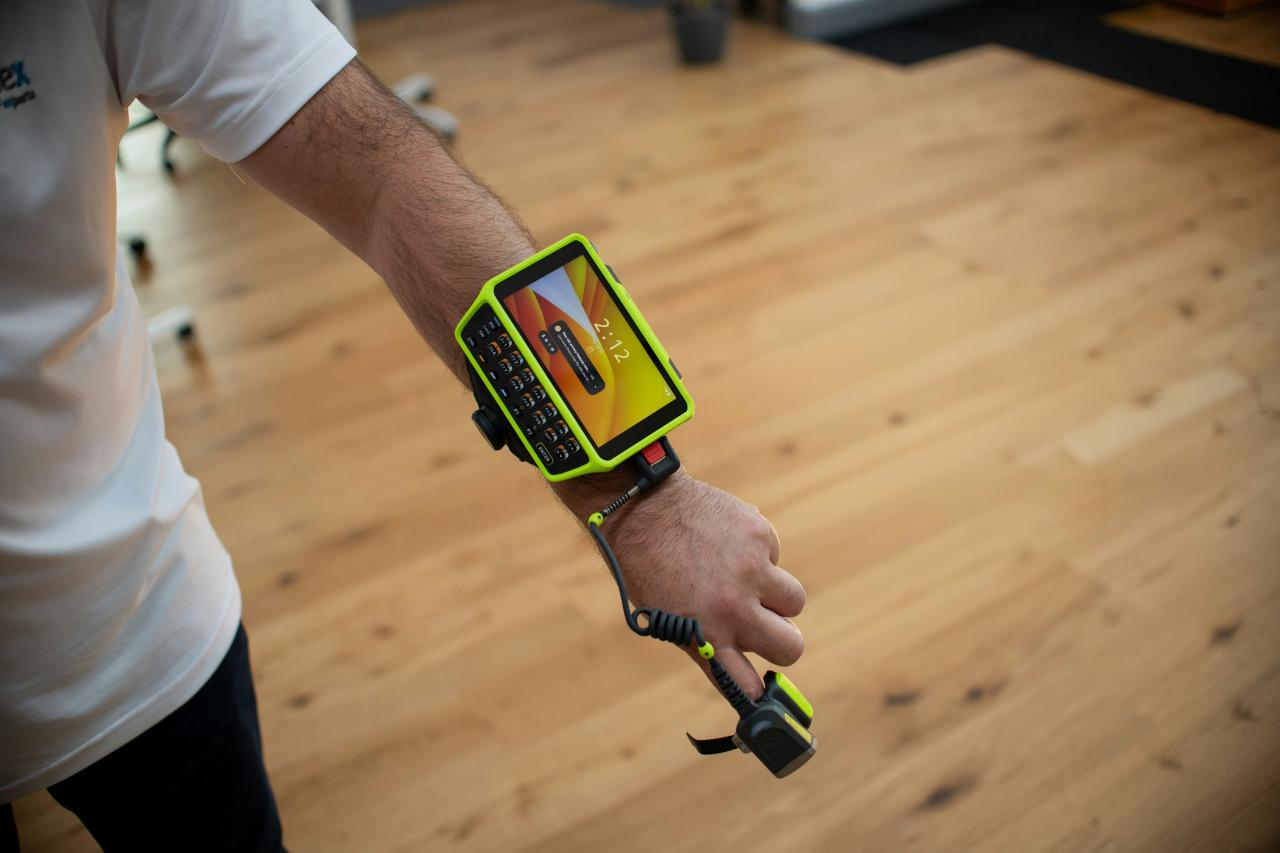
New gear represents a massive win for modern setups, replacing outdated rumble technology with innovative haptic tools that transform your work and play into a high-performance experience.
By integrating data tracking and tactile flow, you can effectively eliminate boring interactions and high risks while taking advantage of lower costs and smarter digital plans.
Taking immediate action to adopt these new haptic solutions allows you to reclaim your time, grow your personal wealth, and secure a safer future through advanced touch-based software.
The path to a successful and immersive lifestyle is clear when you use automation and better gear as your primary tools to fuel your long-term growth and ultimate freedom.