

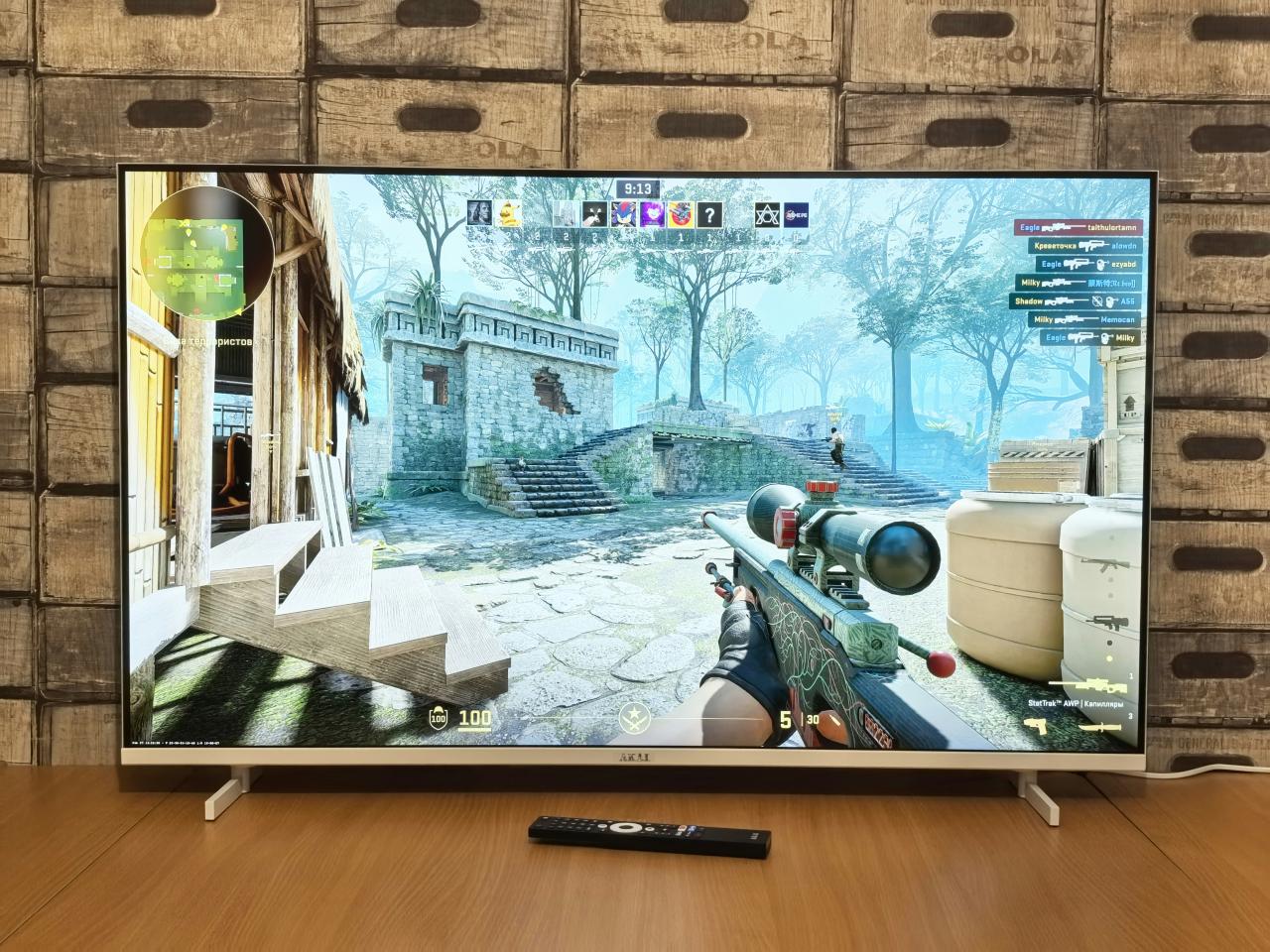
The global shift toward streaming-based entertainment has finally reached the most demanding sector of digital media: interactive gaming. For decades, the ability to play high-fidelity titles was restricted by the physical power of the hardware sitting directly in front of the user.
However, the rise of remote gaming infrastructure is fundamentally decoupling software performance from local device limitations. This transformation allows a high-end experience to be delivered to smartphones, low-powered laptops, and even smart televisions via the cloud.
Mastering this infrastructure involves a deep understanding of low-latency networking, server-side GPU virtualization, and sophisticated video encoding protocols. As fiber-optic internet and 5G networks become more prevalent, the dream of “gaming anywhere” is transitioning from a niche concept to a mainstream reality.
For the industry, this represents a massive expansion of the addressable market, reaching billions of potential players who do not own a dedicated console or PC.
This article will provide a comprehensive look at the backend technologies that make seamless remote play possible. We will explore how data centers are being optimized for real-time interactivity and the strategic moves major tech giants are making to dominate this space.
By understanding the underlying architecture, creators and businesses can better prepare for a future where the hardware is invisible but the experience is limitless.
The Evolution of Latency-Mitigation Technology

The single greatest enemy of remote gaming is latency, often referred to as “lag.” Solving this issue is the primary focus of modern cloud infrastructure development.
A. Edge Computing and Hyper-Local Data Centers
To reduce the physical distance data must travel, providers are placing servers at the “edge” of the network. This ensures that the round-trip time between a button press and the on-screen action is kept under twenty milliseconds.
B. Advancements in Low-Latency Video Encoders
Standard video streaming allows for a few seconds of buffering, but gaming requires instant delivery. New codecs like AV1 are being optimized to compress 4K frames in real-time without adding significant processing delay.
C. Predictive Input Algorithms and AI Smoothing
Some platforms use machine learning to predict a player’s next move. This allows the server to pre-render certain frames, effectively masking small spikes in network jitter.
Server-Side Hardware and GPU Virtualization
The heart of the remote gaming engine is the massive array of GPUs sitting in industrial-scale data centers. These machines must be flexible enough to handle thousands of unique sessions simultaneously.
A. Multi-Instance GPU Architectures
Modern server GPUs can be partitioned into smaller virtual units. This allows a single powerful card to serve multiple players, maximizing the efficiency of the hardware.
B. High-Bandwidth Memory and NVMe Storage
Loading times must be near-instant to keep the experience feeling premium. Enterprise-grade storage arrays ensure that game data is fed to the GPU faster than any home-based SSD.
C. Dynamic Resource Allocation Models
The cloud can shift power where it is needed most. If a player enters a graphically intense scene, the system can temporarily allocate more compute resources to that specific session.
The Role of Networking Protocols and 5G
Wireless technology is the final bridge that brings high-end gaming to mobile devices. The rollout of 5G is considered the “killer app” for the remote gaming industry.
A. Network Slicing for Priority Gaming Traffic
5G allows carriers to create a dedicated “slice” of the network for gaming data. This prevents your game from lagging even if someone nearby is downloading large files.
B. Transitioning from TCP to Specialized UDP Protocols
Traditional web traffic uses protocols that prioritize data integrity over speed. Gaming infrastructure uses customized UDP streams that prioritize the most recent data to stay synchronized.
C. The Impact of WiFi 6 and 6E in the Home
Even with a fast fiber connection, a poor home router can ruin the experience. New WiFi standards provide the stability needed to stream 4K gaming without a physical ethernet cable.
Business Models and the “Netflix of Gaming”
The shift to the cloud is also changing how games are sold and consumed. Subscription models are quickly becoming the standard for the industry.
A. All-You-Can-Play Subscription Tiers
Fixed monthly fees give players access to hundreds of titles. This reduces the barrier to entry and encourages players to try new genres they might not have purchased.
B. Free-to-Play Integration and Instant Access
Imagine clicking a YouTube trailer and being inside the game three seconds later. Cloud infrastructure allows for “instant play” demos that significantly increase user conversion rates.
C. Hybrid Models: Local Processing with Cloud Support
Some systems use the local device for basic tasks while offloading complex physics to the cloud. This “best of both worlds” approach ensures high performance even on mid-range hardware.
Overcoming the “Uncanny Valley” of Streaming
Even if a game runs fast, it must also look perfect. Artifacts and blurring can break the immersion and frustrate competitive players.
A. Variable Rate Shading in the Cloud
This technique focuses the highest detail on the parts of the screen the player is looking at. By reducing detail in the periphery, the system saves bandwidth without affecting perceived quality.
B. Dynamic Resolution Scaling
If the network becomes congested, the system can subtly drop the resolution to maintain a steady frame rate. Smoothness is always prioritized over raw pixel count in a remote environment.
C. AI-Upscaling on the Client Side
Technologies like DLSS can take a 1080p stream and upscale it to 4K on the user’s device. This reduces the amount of data sent over the air while maintaining a crisp image.
The Challenge of Game Ownership and Digital Rights
As we move away from physical discs, the concept of “owning” a game is being redefined by digital licensing.
A. Digital Rights Management (DRM) in the Cloud
Remote gaming provides the ultimate DRM, as game files never actually reside on the user’s device. This eliminates piracy but raises concerns about what happens if a service shuts down.
B. Portability of Saved Data and Progress
Players expect their progress to follow them seamlessly. Robust cloud-saving infrastructure ensures that you can start on a TV and finish on a phone.
C. Licensing Challenges for Cross-Platform Play
Negotiating the rights to stream games across different operating systems remains a hurdle. The industry is still working toward a truly platform-agnostic future for all gamers.
Impact on Game Design and Development
When developers know their game will run on a supercomputer in the cloud, they can design impossible experiences.
A. Massive-Scale Multiplayer Environments
The cloud can handle thousands of players in a single persistent world without traditional syncing issues. This opens the door for truly epic-scale simulations and social hubs.
B. Real-Time Global Illumination and Ray Tracing
These high-end visual features require massive GPU power that home consoles often lack. In the cloud, every player can have “Ultra” settings enabled regardless of their device.
C. Integration of Social and Interactive Features
Cloud gaming allows for “streamer interactions” where viewers can influence the game environment. This turns gaming into a communal, broadcast-ready event for a global audience.
Sustainability and the Energy Cost of the Cloud
Running millions of GPUs 24/7 requires an immense amount of electricity. The industry is under pressure to move toward green energy solutions for their data centers.
A. Energy-Efficient Data Center Cooling
Innovations like liquid cooling are reducing the carbon footprint of gaming servers. Efficient cooling also allows the hardware to run at higher speeds for longer periods.
B. Renewable Energy Commitments from Tech Giants
The major players in the cloud space are investing heavily in solar and wind farms. This ensures that the future of gaming is not just high-performance, but also responsible.
C. Hardware Longevity in a Centralized Model
Centralizing hardware in a data center is actually more sustainable than millions of individual consoles. Servers can be upgraded and recycled much more efficiently than consumer electronics.
Security and Data Privacy in Remote Play
As users stream their gameplay, their data moves through multiple network layers. Protecting this stream from interception is a primary technical requirement.
A. Encrypted Video Streams
Modern platforms use Secure Real-time Transport Protocol (SRTP) to protect the video feed. This ensures that your gameplay cannot be watched or recorded by unauthorized third parties.
B. Protecting User Credentials and Payment Data
Cloud platforms are prime targets for hackers due to the vast amount of stored user data. Rigorous security audits and multi-factor authentication are standard for any reputable gaming service.
C. Mitigating DDoS Attacks on Gaming Servers
A Distributed Denial of Service attack could shut down a service for millions of players. Advanced traffic scrubbing tools are used to identify and block malicious traffic before it hits the servers.
The Future: Quantum Networking and Beyond
The next frontier of remote gaming might involve technologies that currently seem like science fiction.
A. Quantum Key Distribution for Unbreakable Security
Quantum networking could provide a level of security that is theoretically impossible to hack. This would be vital for the competitive integrity of global e-sports tournaments held in the cloud.
B. Neural Link Interfaces for Direct Control
Future infrastructure might bypass traditional controllers entirely. Direct neural interfaces could send input data to the cloud at the speed of thought.
C. Holographic Projections via Cloud Rendering
As AR technology matures, the cloud could stream holographic game elements into your physical room. The processing power required for this would live entirely in a remote data center.
Conclusion

Remote gaming infrastructure is set to become the dominant delivery method for interactive media. The transition from local hardware to the cloud is driven by the need for universal accessibility. Latency remains the primary technical challenge that engineers are solving with edge computing.
5G technology provides the necessary wireless bandwidth to make mobile gaming truly competitive. Subscription-based business models are reshaping how developers monetize their creative works.
AI-driven upscaling and encoding are essential for delivering a high-definition visual experience. The cloud allows for game designs that are no longer limited by home hardware.
Data centers are becoming the new consoles of the digital age. Security and digital rights management are significantly enhanced when the game files remain on the server. Hybrid processing models offer a bridge for those with inconsistent internet connections.
The environmental impact of these massive server farms is being addressed through green energy initiatives. Interactivity between streamers and viewers is reaching new heights through cloud integration. Physical hardware will soon become a secondary consideration for the average consumer.
Strategic partnerships between telcos and gaming companies are accelerating the adoption of these services. The democratization of high-end gaming is the most significant outcome of this technological shift. Start your transition to the cloud today by testing your network stability and exploring current libraries.

