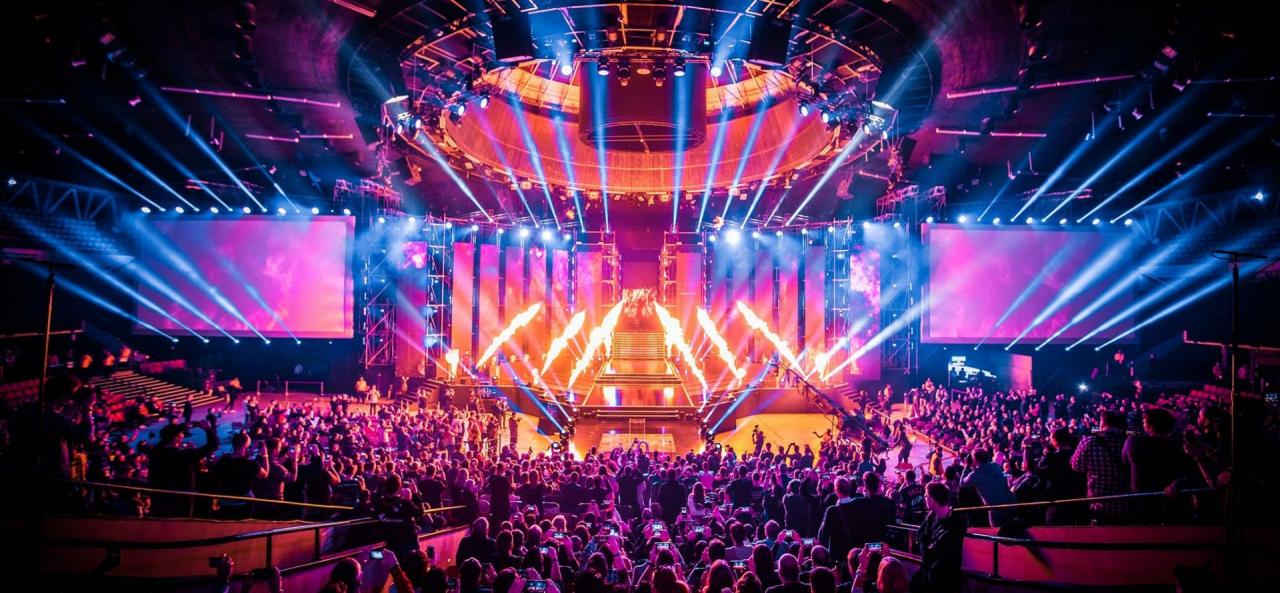

The global interactive entertainment landscape is currently undergoing a massive transformation that touches every aspect of how we play and create. For many decades, the industry followed a very simple and linear path where players bought physical discs and played them on isolated consoles in their living rooms.
This traditional model relied on one-time transactions and limited hardware capabilities that kept the gaming experience restricted to a single screen. However, the emergence of high-speed cloud infrastructure and the rise of social metaverses now allow for a much more connected and immersive reality.
This transition represents a monumental shift from static entertainment to a living, breathing digital ecosystem that operates twenty-four hours a day. We are entering an era where boundaries between the physical and virtual worlds are disappearing thanks to advanced augmented reality and cross-platform play.
This innovation addresses the critical challenge of hardware accessibility by allowing high-end games to run on almost any device with an internet connection.
By integrating subscription models with community-driven content, the market is becoming more inclusive and diverse than ever before. This article explores the most effective and proven trends that are defining the future of play and how you can navigate this rapidly evolving digital frontier.
The Rise of Cloud Gaming and Universal Access

Cloud gaming is removing the expensive hardware barriers that once kept millions of people away from high-fidelity gaming experiences. Instead of needing a thousand-dollar PC, players can now stream the most demanding titles directly to their phones, tablets, or smart televisions.
I believe that “device agnosticism” is the most powerful force for democratization in the history of interactive media. You solve the problem of high entry costs by shifting the heavy computational work to massive data centers located miles away from the user.
This perspective turns any screen into a high-end gaming console, ensuring that everyone can enjoy the latest releases regardless of their financial background. It creates a massive expansion in the total player base, which in turn drives more investment into unique and experimental game designs.
A. Subscription-Based Gaming Models
Services like Game Pass and PlayStation Plus are changing the way we consume games by offering hundreds of titles for a single monthly fee.
This model encourages players to try new genres they might have otherwise ignored if they had to pay full price for each one. It provides a steady stream of revenue for developers while giving consumers an incredible amount of value and variety for their entertainment budget.
B. Edge Computing and Latency Reduction
To make streaming feel as responsive as local hardware, companies are placing smaller servers closer to urban centers to reduce the physical distance data must travel.
This technological leap ensures that “input lag” becomes a thing of the past, even in fast-paced competitive shooters or fighting games. It allows for a seamless experience that feels just as snappy and reactive as a traditional console plugged directly into a monitor.
C. The End of Physical Media Dominance
As internet speeds increase across the globe, the need for physical discs and cartridges is slowly fading into a niche market for collectors.
Digital storefronts offer instant access to a global library of games, allowing for day-one play without ever leaving your house or waiting for a delivery. This shift reduces plastic waste and shipping costs, making the industry more environmentally friendly while increasing profit margins for creators.
The Evolution of the Social Metaverse
Gaming is no longer just about completing objectives; it has become the new “third place” where people go to socialize, attend concerts, and express their identity. Virtual worlds like Fortnite and Roblox are evolving into massive platforms where the gameplay is often secondary to the social interaction.
My new perspective is that “community-centric design” is the most effective way to build a brand that lasts for decades in the digital age. You solve the problem of player retention by giving your audience the tools to create their own fun and build their own social networks within your game.
This perspective transforms a simple software product into a thriving digital society that grows and changes based on the needs of its citizens.
A. User-Generated Content and Creative Suites
Modern platforms are giving players the same tools as professional developers to build their own maps, game modes, and virtual items.
This constant influx of new content keeps the experience fresh and ensures that the community always has something new to explore. It also allows talented creators to earn a living by selling their virtual designs to other players within the ecosystem.
B. In-Game Live Events and Virtual Concerts
Major music artists and movie studios are now using gaming platforms to host massive digital events that reach millions of people simultaneously.
These experiences create a sense of shared history among players, turning a digital space into a landmark for cultural moments that exist nowhere else. It proves that games are the new cinema and concert hall, offering a level of interactivity that traditional media can never match.
C. Cross-Platform Identity and Avatars
Players now want to take their digital identity and their earned rewards with them across different games and social platforms.
The development of universal avatar systems allows you to maintain a consistent persona whether you are in a high-fantasy RPG or a futuristic racing game. This sense of ownership over your digital self increases the emotional and financial investment you have in the virtual world.
Artificial Intelligence in Procedural Generation
Artificial intelligence is drastically reducing the time and cost of creating massive, detailed game worlds by automating the placement of trees, buildings, and terrain. Instead of hand-crafting every rock, developers can now set rules and let the AI generate an entire planet that feels organic and unique.
I suggest that “AI-assisted worldbuilding” is the only way to meet the growing demand for larger and more complex virtual environments. You solve the problem of developer burnout and rising budgets by letting algorithms handle the repetitive tasks of environmental design.
This perspective allows human artists to focus on the storytelling and the “emotional beats” that make a game truly memorable and special.
A. Smart NPCs and Dynamic Dialogue Systems
Non-player characters (NPCs) are becoming much more intelligent, using large language models to have unscripted conversations with the player.
This creates a world that feels alive and responsive to your specific actions, rather than just repeating the same three lines of dialogue. It increases the sense of immersion, making you feel like your choices actually matter to the digital inhabitants of the world.
B. Procedural Quest Generation and Difficulty Scaling
AI can monitor your skill level and adjust the game’s difficulty or the types of missions you receive in real-time to keep you in the “flow state.”
This prevents the game from becoming too easy and boring or too hard and frustrating, ensuring a perfectly tailored experience for every individual. It allows for “infinite” gameplay where the world evolves and changes based on how you play the game.
C. Automated Bug Testing and Quality Assurance
AI “bots” can play through a game millions of times in a single day to find glitches and balancing issues that human testers might miss.
This leads to much more polished releases and fewer “day-one patches” that frustrate players who just want to enjoy their new purchase. It ensures that the technical foundation of the game is rock-solid, allowing the creative vision to shine through without any distracting errors.
The Expansion of Mobile Gaming in Emerging Markets
The fastest-growing segment of the gaming industry is happening on mobile devices in regions like Southeast Asia, India, and Latin America. These mobile-first populations are skipping consoles entirely and moving straight to high-quality competitive games on their smartphones.
My perspective is that “mobile-first engineering” is the most important strategy for reaching the next billion gamers across the planet. You solve the problem of market saturation in the West by creating lightweight, high-quality apps that run perfectly on affordable hardware.
This perspective expands the global gaming community to include a vast and diverse range of cultures, languages, and playing styles.
A. The Success of the “Free-to-Play” Revolution
By making games free to download, developers can reach a much larger audience and generate revenue through small, optional in-game purchases.
This model works perfectly in markets where players might not have the credit to make a large upfront purchase but can afford small cosmetic upgrades. It creates a low barrier to entry that allows games to go viral and build massive communities in just a few weeks.
B. Localized Content and Cultural Adaptation
Successful global games now feature events, characters, and stories that are specifically designed for different regions and holidays around the world.
This shows respect for the local audience and makes the game feel much more relevant and personal to their daily lives. It builds deep brand loyalty and ensures that the game becomes a permanent part of the local digital culture.
C. Mobile E-sports and Competitive Communities
Competitive gaming is no longer restricted to PCs, as mobile titles like PUBG Mobile and Free Fire host massive tournaments with millions of viewers.
These events turn mobile players into local celebrities and provide a clear path for young talent to become professional athletes. It proves that the “pro-gamer” lifestyle is now accessible to anyone with a smartphone and a competitive spirit.
Augmented Reality and the Gamification of Daily Life
Augmented reality (AR) is bringing gaming out of the living room and into the streets, turning your city into a giant game board. By overlaying digital information onto the physical world, AR encourages players to exercise, explore their neighborhoods, and meet new people.
I believe that “physical-digital integration” is the key to making gaming a healthy and active part of a modern lifestyle. You solve the problem of sedentary gaming by creating mechanics that require you to move and interact with the real world to progress.
This perspective turns every morning walk into an adventure, making the world around you feel much more magical and exciting.
A. Location-Based Gameplay and Geocaching
Games use GPS data to place virtual treasures or monsters at real-world landmarks, encouraging people to travel to new locations.
This drives foot traffic to local businesses and parks, creating a positive economic impact on the community through digital play. it reminds us that there is still so much to discover in our own backyards and city centers.
B. Fitness Integration and Active Rewards
Many new games track your steps or heart rate and reward you with in-game currency or power-ups for being physically active.
This gamification of fitness makes it much easier to stay motivated and reach your health goals in a fun and engaging way. It transforms the “grind” of a workout into a rewarding part of your favorite digital experience.
C. AR for Social Networking and Teamwork
AR allows groups of people to see and interact with the same digital objects in a shared physical space, creating a unique form of local multiplayer.
This fosters real-world social bonds and teamwork as players work together to solve puzzles or defend a local “territory.” It bridges the gap between digital entertainment and physical social interaction in a way that feels natural and innovative.
Conclusion

The future of gaming is a very bright and connected digital world. You must embrace the new tools to stay fast in this market today. Cloud gaming removes the high and dark walls of expensive and old hardware.
Social metaverses turn every single game into a new and lively city center. You solve your gaming boredom by exploring these deep and massive virtual worlds. AI helps us build big and beautiful lands much faster than before.
Mobile gaming brings the fun of play to every and each human hand. Free to play models allow everyone to join the global and happy party. Augmented reality makes your daily walk feel like a very grand adventure.
Innovation in the gaming world is a major victory for every and each player. Every single new tech is a step toward a much better future. The best time to join the digital revolution is right now this year.
Support your future fun by following the latest and best gaming trends today. Stay curious about new worlds to keep your mind at the very edge. The journey to the future of play starts with one single and smart step.