

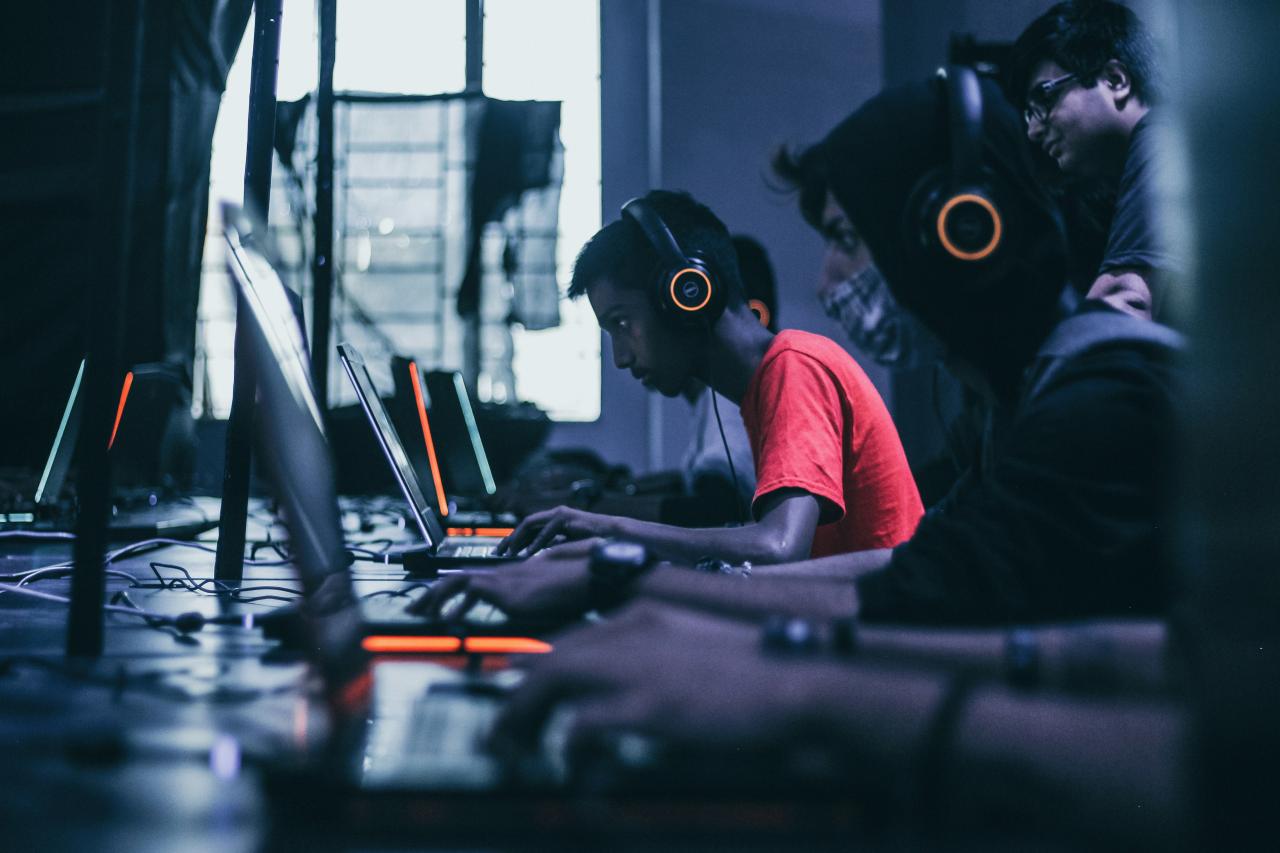
The world of gaming has evolved significantly from the days of isolated, single-player experiences to a vibrant era of collective achievement. Winning together through strategic team play is no longer just a casual way to pass the time; it has become a sophisticated discipline that requires emotional intelligence, rapid communication, and tactical synchronization.
In a cooperative environment, the enemy is the game system itself, which challenges players to align their unique strengths to overcome increasingly difficult obstacles. This shift toward collaborative mechanics has fostered deep social bonds and developed real-world skills that translate into professional and personal life.
Whether you are navigating a complex raid in an online RPG or solving intricate puzzles in a couch-co-op platformer, the core principles of success remain the same. The thrill of a shared victory often far outweighs the satisfaction of a solo win because it represents a triumph of human coordination over mechanical chaos.
Modern game design has embraced this by creating roles that are mutually dependent, ensuring that every player feels like an essential gear in a larger machine. Understanding the psychology of team dynamics is the first step toward becoming a top-tier player who can elevate any group.
This comprehensive guide will explore the essential strategies for mastering the art of the cooperative win. We will break down how to manage resources, communicate under pressure, and build a team culture that thrives on mutual support and strategic foresight.
The Architecture of Effective Team Communication

In any high-stakes cooperative game, the flow of information is just as important as the speed of your reflexes.
Without a clear and concise communication structure, even the most skilled individual players will struggle to find a common rhythm.
A. Establishing a Clear Command Hierarchy
While every player’s input is valuable, having a designated “shot-caller” during intense moments prevents decision paralysis and confusion.
This leader focuses on the big picture, tracking objective timers and calling out major tactical shifts for the entire group.
The rest of the team supports this by providing brief, relevant updates about their specific roles or immediate threats.
B. Mastering the Art of the “Call-Out”
Effective call-outs are short, specific, and actionable, such as “Healer needs help” or “Boss ultimate in five seconds.”
Avoid clogging the voice channel with unnecessary chatter during critical phases of the game where audio cues are vital.
Learning the specific terminology of your chosen game allows for a shorthand language that saves precious milliseconds.
C. The Feedback Loop and Post-Game Analysis
After a successful or failed session, taking a few minutes to discuss what worked and what didn’t is essential for growth.
Constructive criticism should focus on the strategy rather than blaming an individual for a mechanical mistake.
This culture of constant improvement ensures that the team becomes more resilient and adaptable over time.
Strategic Role Distribution and Synergy
Successful teams understand that a group of five “carry” players is often less effective than a balanced team with diverse specializations.
Each role provides a unique service that allows the other players to perform their duties with maximum efficiency.
A. The Frontline: Tanks and Crowd Control
The primary job of the tank is to manage the chaos of the battlefield and dictate the positioning of the enemy.
By soaking up damage and interrupting enemy abilities, they create a safe zone for their more fragile teammates to operate.
A great tank doesn’t just survive; they control the flow of the entire encounter through strategic positioning.
B. The Lifeline: Healers and Support Specialists
Support players are the backbone of the team, managing resources like health, mana, and defensive buffs.
They must possess high situational awareness, anticipating when a teammate is about to take damage before it actually happens.
Beyond just healing, these players often provide utility that can turn the tide of a battle, such as speed boosts or shield generators.
C. The Finisher: Sustained and Burst Damage Dealers
Damage dealers focus on high-priority targets, ensuring that threats are neutralized before they can overwhelm the team’s defenses.
They must balance their aggressive output with careful positioning to avoid becoming a burden on the healers.
Synchronization between damage dealers is key to “bursting down” bosses during narrow windows of vulnerability.
Resource Management and Tactical Economy
In long-form cooperative games, the ability to manage your team’s “economy” often determines the outcome of the final encounter.
Resources can include in-game currency, limited-use items, or even “cooldown” timers on powerful abilities.
A. Ability Rotation and Cooldown Management
Staggering powerful ultimate abilities ensures that the team always has a “big play” available for unexpected emergencies.
If everyone uses their strongest moves at the same time, the team is left vulnerable during the long recharge period that follows.
Effective teams communicate their percentages and readiness levels to maintain a constant pressure on the objective.
B. Shared Inventory and Item Prioritization
In games with shared resources, giving the best equipment to the player who can utilize it most effectively is a sign of high-level play.
This unselfish approach recognizes that a stronger teammate makes the entire group more likely to succeed.
Managing a team’s healing supplies or ammunition prevents “starvation” during the most intense parts of a mission.
C. Objective-Based Pacing and Time Management
Sometimes the best strategy is to slow down and wait for resources to regenerate rather than rushing into the next fight.
Understanding the “tempo” of a game allows a team to dictate when the action happens on their own terms.
Winning is often about knowing when to retreat and regroup just as much as it is about knowing when to attack.
Psychological Resilience and Team Morale
The emotional state of a team is a hidden stat that can fluctuate wildly during a long gaming session.
A team that remains calm under pressure will always outperform a group that descends into “tilt” or negativity.
A. Maintaining a “Next-Play” Mentality
Mistakes are inevitable in complex games; the key is to forget the error immediately and focus on the next available action.
Lwelling on a past failure creates a distraction that leads to even more mistakes in a dangerous chain reaction.
Encouraging your teammates after a mishap keeps morale high and prevents the internal collapse of the group.
B. The Power of Positive Reinforcement
Acknowledging a great play or a well-timed heal reinforces good habits and builds trust between team members.
A simple “good job” or “nice save” can significantly boost a player’s confidence and performance for the rest of the game.
High-performance teams are built on a foundation of mutual respect and genuine appreciation for each other’s skills.
C. Managing Stress and Preventing Burnout
Recognizing when the team is becoming fatigued allows you to take a break before performance drops off a cliff.
Breaks are essential for maintaining the high level of focus required for strategic cooperative play.
A refreshed team is a much more dangerous opponent than a group that is grinding through exhaustion and frustration.
Adapting to Dynamic Game Environments
Modern cooperative games are designed to be unpredictable, forcing teams to change their plans on the fly.
Agility is the ability to recognize a new threat and reconfigure your strategy in real-time.
A. Situational Awareness and Map Control
Every player should be constantly scanning the environment for information that isn’t immediately obvious on their screen.
Understanding the “vision” of the map allows you to predict where enemies will appear before they actually arrive.
Map control is a team effort that involves placing “wards” or scouting ahead to remove the element of surprise.
B. Counter-Play and Reactive Builds
If the enemy or the game system adapts to your current strategy, you must be willing to swap characters or items to counter it.
Rigidly sticking to a plan that is no longer working is the fastest way to lose a cooperative encounter.
Versatility in your hero pool or equipment set makes you a much more valuable asset to any strategic team.
C. Environmental Synergy and Positioning
Using the terrain to your advantage can amplify the effectiveness of your team’s abilities significantly.
Forcing enemies into “choke points” or taking the high ground provides a massive tactical edge that overcomes raw power.
Positioning is often the difference between a clean victory and a messy, resource-heavy struggle.
The Long-Term Benefits of Team-Based Gaming
Beyond the digital battlefield, the skills developed in cooperative play have profound effects on a person’s character and professional life.
Learning to win together prepares you for the collaborative nature of the modern workforce and social structures.
A. Developing Empathy and Social Intelligence
Cooperative games force you to see the world through your teammates’ eyes to understand their needs and limitations.
This development of empathy makes you a better communicator and a more effective collaborator in all areas of life.
Gaming becomes a laboratory for practicing the social skills that are essential for human thriving.
B. Problem-Solving and Critical Thinking
Solving complex game mechanics under pressure trains your brain to remain analytical during real-world crises.
The “trial and error” nature of gaming fosters a persistent spirit that doesn’t give up when faced with difficult tasks.
High-level gamers often excel in fields like engineering, management, and medicine due to this cognitive training.
C. Building Lasting Global Friendships
The shared experience of overcoming a difficult challenge creates bonds that can last for many years across different countries.
Cooperative gaming is one of the few places where people from diverse backgrounds work together toward a singular goal.
These communities provide a sense of belonging and support that extends far beyond the screen.
Conclusion

Winning together through strategic team play is the ultimate expression of the cooperative gaming spirit. Success is built on a foundation of clear communication and mutual trust between every member of the group. Each role in the team is a vital component that allows the entire system to function at its peak.
Resource management is the hidden engine that powers your victory during the most difficult encounters. Maintaining high morale and psychological resilience is just as important as having fast mechanical reflexes.
Adaptability allows a team to survive and thrive even when the game environment changes unexpectedly. The skills you learn in the virtual world have direct and positive applications in your professional career. Empathy and social intelligence are the natural results of working toward a shared goal with others.
Problem-solving under pressure becomes a second nature for those who master the art of the team win. Digital friendships formed through shared struggle are some of the most resilient bonds in the modern era. Every failure is a lesson that brings the team one step closer to their ultimate collective triumph.
Strategic play turns a group of individuals into an unstoppable force capable of overcoming any obstacle. The joy of a shared win is a unique human experience that enriches the gaming hobby significantly. Consistency and practice are the keys to developing the muscle memory required for high-level coordination.
The future of gaming is collaborative and will continue to push the boundaries of human cooperation. Start building your team today and discover the incredible power of winning together through strategy.

