

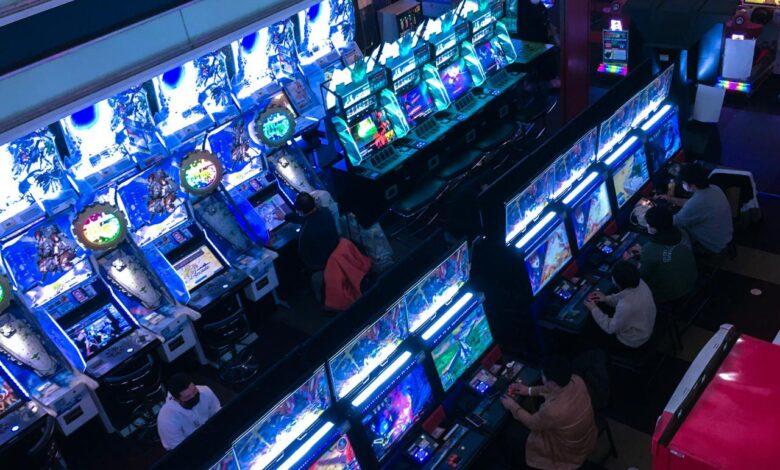
The transition from traditional retail gaming models to institutional-grade digital ecosystems represents the primary driver of modern entertainment disruption and global economic scaling. We are currently navigating a high-velocity era where the ability to synthesize immersive world-building with sophisticated monetization layers is no longer a luxury but a core requirement for industrial survival. This evolution in the interactive entertainment architecture requires a sophisticated understanding of decentralized finance, player psychology, and the technical discipline needed to manage massive virtual economies without destabilizing the user experience.
For the modern developer, publisher, or visionary investor, mastering the mechanics of these evolving ecosystems is a fundamental pillar for scaling influence and securing a legacy in a hyper-competitive digital market. Achieving elite status in this domain involves more than just launching a successful title; it requires a deep dive into the architecture of cross-platform synergy, generative asset creation, and the psychological hooks of long-term retention. This guide is designed to deconstruct the complex layers of the modern gaming landscape, providing you with a masterclass in the strategies used by the world’s most profitable digital architects.
By focusing on the synergy between technical precision and authentic community engagement, you can transform a simple gaming product into a predictable, multi-generational engine of growth. Let us explore the blueprints of digital sovereignty and discover how to build a gaming legacy that thrives in an era of rapid technological acceleration.
The Foundation of Modern Ecosystem Architecture
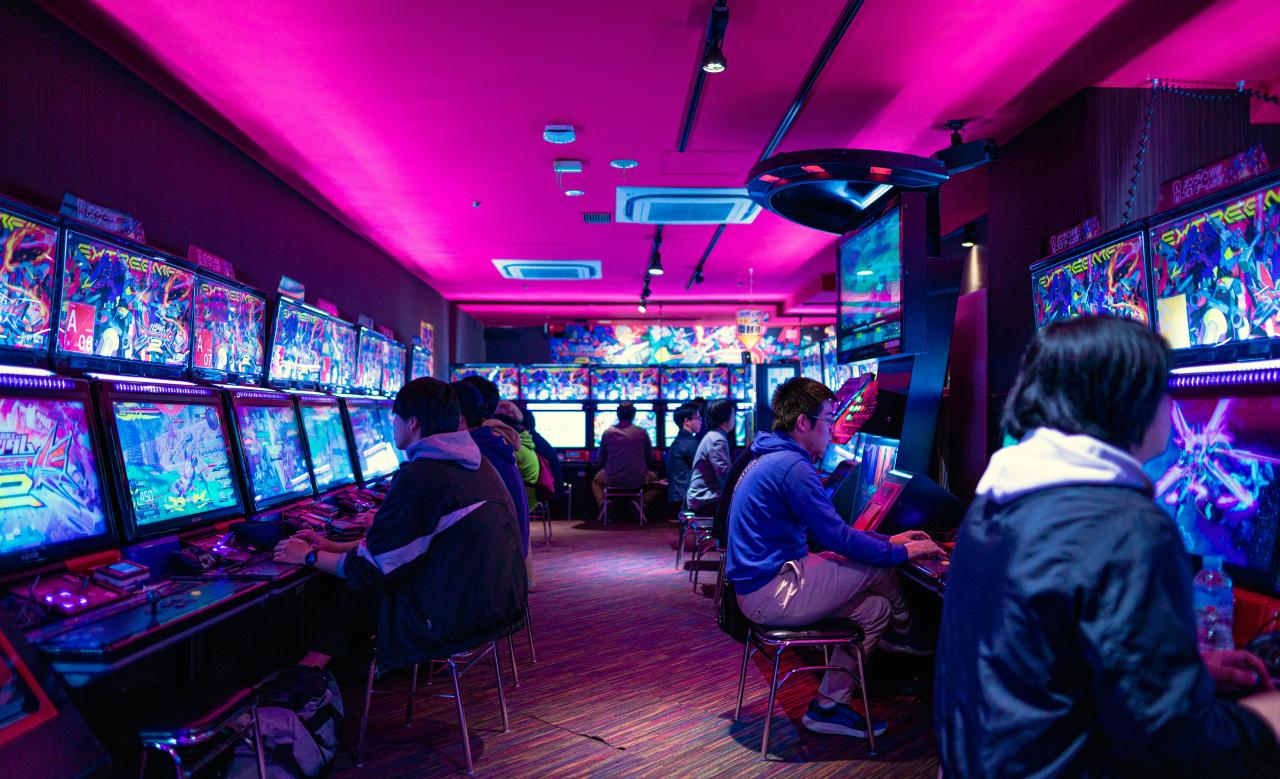
Building an elite gaming environment requires a structural approach to how players interact with the world and each other. You must treat your virtual infrastructure with the same level of professional scrutiny as a physical metropolis.
A. Interconnected Virtual Economies and Asset Portability
The bedrock of the future ecosystem is the ability for assets to hold value across multiple titles. When a player acquires an item in one game, its utility or aesthetic value should ideally translate to another part of the ecosystem. This creates a sense of true ownership and increases the financial “stickiness” of the brand.







B. The Role of Player-Driven Content and Creator Tools
Elite ecosystems empower their users to build within the world. By providing robust modding tools and asset creators, you allow the community to generate fresh content that keeps the world alive. This decentralized approach to development reduces the burden on your core team while fostering a deeply loyal fan base.
C. Cross-Platform Synchronization and Fluid Access
A modern gamer expects to switch between a console, a mobile device, and a PC without losing progress. Mastering the technical synchronization of these platforms ensures that the ecosystem is always accessible. This constant availability maximizes the opportunities for engagement and monetization.
Advanced Frameworks for Systematic Monetization
Monetization is often viewed as a secondary layer, but the most successful ecosystems build it directly into the game’s core logic. High-level frameworks provide a repeatable path to sustainable revenue.
A. The Hybrid Subscription and Battle Pass Logic
Elite architects combine the stability of a monthly subscription with the goal-oriented rewards of a Battle Pass. This dual-layered approach satisfies both the casual player looking for value and the hardcore player looking for prestige. It creates a predictable revenue stream while maintaining high engagement levels.
B. Generative Micro-Transactions and Dynamic Pricing
Using algorithms to adjust the availability and price of digital goods based on market demand is a hallmark of sophisticated ecosystems. By offering personalized deals, you can maximize the conversion rate of different player segments. This ensures that the economy remains vibrant and responsive to user behavior.
C. Social Status as a Currency of Value
In the digital world, prestige is often more valuable than utility. Designing rare cosmetic items that signal a player’s achievement or veteran status drives significant demand. This monetization path is ethical and effective because it does not impact the competitive balance of the game.
Cultivating High-Performance Community Cultures
A single successful game is powerful, but a culture designed around an ecosystem is an unstoppable force. You must build an environment where players feel a sense of belonging and agency.
A. Psychological Safety and Toxic Behavior Mitigation
The greatest enemy of a growing ecosystem is a toxic community. Elite leaders use automated moderation tools and positive reinforcement loops to maintain a healthy social environment. A safe community is a growing community, attracting a wider range of demographics and advertisers.
B. Intellectual Diversity and Collaborative Feedback Loops
Breakthroughs in game design often occur when developers listen to a wide range of player voices. Creating official forums and discord channels for structured feedback creates a fertile ground for innovation. This transparency prevents the stagnation that occurs when developers work in a vacuum.
C. Managing the Community Lab vs. Core Development
There must be a clear space for experimental features where players can test new mechanics without fear of breaking the game. Protecting the core experience while allowing for rapid experimentation keeps the ecosystem fresh. This balance allows long-term ideas the space they need to mature through real-world testing.
Rapid Prototyping and the Feedback Loop
In the world of digital ecosystems, speed is often more valuable than perfection in the early stages. The goal is to learn as quickly as possible from real-player interaction.
A. The Minimum Viable World (MVW) Strategy
Instead of building a finished universe, elite creators build the smallest functional version of their ecosystem. This allows for rapid testing of core mechanics and prevents the massive waste of development capital. It ensures you are building a world that players actually want to inhabit.
B. Iterative Balancing and Failing Forward
Game design is a cycle of constant adjustment based on actual telemetry data. Each update should be demonstrably more balanced than the last. This process is fueled by hard data rather than developer intuition alone.
C. Utilizing Intelligence Tools for Asset Scaling
Modern architects leverage autonomous systems to generate thousands of environmental assets in seconds. This synergy between human creativity and machine processing is the new frontier of development. It allows for a scale of world-building that was previously impossible.
Mastering the Player Flow State for Retention
Achieving a state of flow allows players to become deeply immersed in the world. This is the zone where time disappears and the player becomes one with the experience.
A. Identifying Player Progression Triggers
Every player has specific milestones that signal a sense of achievement. Identifying these triggers allows you to design a progression curve that keeps the brain engaged. You no longer have to worry about players dropping off after the first few hours.
B. Balancing Challenge and Reward Levels
Flow occurs when a challenge is difficult enough to be engaging but not so hard it causes frustration. Adjusting the difficulty of quests and encounters keeps the player in the optimal sweet spot. This is where the most profound community engagement happens.
C. Eliminating Cognitive Friction and Interface Clutter
The gaming brain requires clear paths to connect with the world’s mechanics. Removing unnecessary menus and physical distractions is a technical requirement for immersion. A clear interface leads to a clear and focused player.
The Art of Intellectual Property Synthesis
True originality in gaming often comes from combining two existing genres in a way that creates something entirely new. This is the heart of intellectual synthesis.
A. Analogous Inspiration Across Entertainment Industries
Look at how the film industry manages its narrative arcs to solve a problem in game pacing. Borrowing logic from unrelated fields like social media or physical sports is a primary tactic of elite disruptors. It provides a fresh perspective that industry insiders usually lack.
B. The Power of Combinatorial Mechanics
Most new “hit” games are actually clever combinations of much older mechanics. For example, combining a survival game with a card-based combat system. Understanding these building blocks allows you to build the future of interactive entertainment.
C. Deconstructing Complex Systems for Global Re-Assembly
Take a genre apart to see how each mechanic functions on its own. Re-assembling them in a different order often reveals efficiencies or entirely new gameplay loops. This process often uncovers hidden opportunities for radical market improvement.
Navigating the Ethics of Ecosystem Monetization
As we create new digital worlds and economies, we must consider the long-term impact on the player’s well-being. Ethical monetization is the only sustainable path for long-term growth.
A. Designing for Long-Term Player Well-Being
Digital products should improve the quality of entertainment for the user over time. Avoid exploitative loot boxes or dark patterns that provide short-term gain at the cost of player trust. True mastery involves creating value that lasts for the life of the ecosystem.
B. Sustainability and Fair-Trade Digital Logic
Modern creators must consider the entire lifecycle of their virtual items. Designing for long-term utility and secondary market stability is now a requirement for elite status. This protects the player’s investment while opening new avenues for developer revenue through transaction fees.
C. Transparency and Accountability in Algorithm Design
If your ecosystem uses match-making or drop-rate algorithms, the process must be transparent. Trust is the primary currency of the modern digital economy. It is easily lost through secretive or biased design practices.
Scaling Innovation through Automated Systems
Automation is not the enemy of creativity in gaming; it is the engine that allows it to scale. Delegating the mundane to the machine frees up the developer’s mind for higher artistic thought.
A. Automating Repetitive Development Tasks
Use software to handle bug testing, data entry, and basic texture rendering. This keeps your creative energy focused on the core narrative and gameplay. It allows you to produce more content without sacrificing the soul of the game.
B. Building a Centralized Knowledge Management System
Use digital tools to store and organize every piece of lore and mechanical logic. A well-organized “world bible” allows your team to maintain consistency across years of updates. This ensures that the ecosystem’s logic never feels broken to the player.
C. Leveraging Generative Systems for NPC Logic
Machine intelligence can serve as a tireless writer for non-player character dialogue and behavior. Use it to generate thousands of unique interactions based on player choices. This creates a world that feels alive and responsive to the individual.
The Geography of Global Gaming Thought
Where your team is and how they collaborate can drastically impact your ability to innovate. Environment is a silent architect of your ecosystem’s success.
A. Designing an Optimal Studio for Discovery
Your physical or digital surroundings should inspire curiosity and allow for deep, quiet work. Incorporate collaborative zones and flexible spaces for different types of creative thinking. A well-designed studio is a tool for innovation.
B. The Power of Global Creative Hubs
Being connected to other high-level developers in gaming hubs like Tokyo, Montreal, or Seoul creates a natural pressure to excel. Seek out environments where people are solving technical problems more difficult than your own. This social friction polishes your ideas into gems.
C. Managing Remote Collaboration and Cloud Synergies
Innovation in the digital age requires the ability to brainstorm across time zones. Use tools that allow for real-time co-creation of code and art. Distance should never be a barrier to a great creative partnership.
Overcoming Ecosystem Stagnation
Every digital platform eventually hits a plateau where player growth stops. Knowing how to break through these walls is what separates the elite from the amateur.
A. Strategic “Season” Resets and Meta-Shifts
Sometimes the best way to refresh a game is to stop the current loop and start something new. Changing the core balance of the game every few months allows the community to rediscover the fun. This often results in a sudden flash of renewed interest and player activity.
B. Using Technical Constraints to Drive New Mechanics
Unlimited hardware power can actually stifle creativity by removing the need for optimization. Setting artificial limits on a project’s scope forces your team to think more deeply about core fun. Constraints are the ultimate catalyst for mechanical breakthroughs.
C. Reframing the World Narrative to Find New Angles
If the player base is stuck, you might be telling the wrong story. Changing the focus of the world’s narrative can reveal a path to expansion you never noticed. A new perspective is often worth more than a new graphics engine.
The Role of Narrative in Ecosystem Monetization
A game world is only as valuable as the stories players tell within it. Storytelling is a vital skill for any high-level digital architect.
A. Crafting a Compelling Vision for the Digital Future
You must be able to describe not just what your game is, but why the world matters. A strong narrative inspires your team and attracts the necessary investment. Paint a picture of a better virtual reality that your ecosystem creates.
B. Using Cultural Analogies to Explain Systems
Elite creators can explain a complex economic mechanic to anyone using simple stories. Using relatable analogies makes your monetization models accessible and fair. If players don’t understand how your economy works, they won’t trust it.
C. Building a Brand Around Innovation and Player Respect
Your history of successful world-building becomes part of your market value. Consistently delivering original solutions builds a reputation for excellence. A trusted brand is the best foundation for launching a new ecosystem.
Future-Proofing Your Digital Career
The tech world is changing faster than ever, and your methods must evolve to stay relevant. Adaptation is the only way to maintain your status as a leader.
A. Continuous Skill Acquisition in Engine Technology
Treat your technical education as an ongoing project that never truly ends. Learn a new coding language, a new physics engine, or a new 3D modeling theory every year. This keeps your mental toolkit sharp and ready for any disruption.
B. Monitoring Global Trends in Player Behavior
Stay informed about the shifts in the market long before they become mainstream. Anticipating the future of mobile-to-cloud transitions allows you to build solutions for problems that haven’t arrived yet. Proactive architecture is always more profitable than reactive patching.
C. Building a Resilient Network of Global Experts
The best architects are connected to a wide variety of specialists in hardware, ethics, and art. Your network is your source of fresh information and creative support. Invest in relationships with people who think differently than you do.
Conclusion

Elite strategic innovation in gaming ecosystems is the primary key to digital sovereignty. This journey requires a disciplined balance of wild imagination and cold analytical execution. Every visionary must take full responsibility for the governance of their virtual assets. The ability to create worlds offers a revolutionary way to build value without physical limits. Systemic complexity should be embraced as the mechanism that creates a competitive advantage. A successful innovative engine is built on a foundation of community trust and rigorous testing.
Continuous learning is the only way to keep pace with the rapid innovation of global technology. Emotional discipline is more important than technical skill when navigating the uncertainty of new markets. Rigorous prototyping ensures that the breakthroughs you build today remain permanent assets. The shift toward a creator-driven gaming economy is an unstoppable force that will redefine entertainment. By following these elite strategies, you position yourself on the right side of the interactive revolution. Creativity is not just about art but about the freedom that comes from building complex systems. The blueprints provided here are your roadmap to navigating the complex world of the digital mind.
Focus on the logic, ignore the superficial trends, and stay committed to your long-term vision. True digital sovereignty is the ultimate goal of every elite architect in the gaming space. The future of the world is interactive, bold, and ready for those who are brave enough to build it. The road to prosperity is paved with imagination and the courage to think what no one else has thought. Gaming is no longer a hobby but a global foundation for social and economic interaction. Success is measured by the quality of the connections made within the virtual worlds we create. Always remember that at the heart of every complex system is a player looking for fun and meaning. The architecture of the future is being written in code by the dreamers of today. Never stop exploring the possibilities of what a digital ecosystem can truly become.